
Hands‑on aviation STEM that turns curiosity into confidence
We support children and youth to reach their full potential!
At Aerolabz we turn curiosity into capability through hands‑on aviation STEM experiences. Our Year 4–Year 13 workshops, school visits and outreach programs guide learners from simple experiments to project‑based challenges that reinforce science, technology and design thinking. Each session combines playful making with clear learning goals: building stable wings, testing propulsion, collecting flight data and iterating designs under mentor guidance. Delivered in Nairobi and on county outreach, our programmes strengthen teamwork, problem solving and confidence so students leave with a working model, measurable results and the tools to keep exploring.
Hands-on aviation STEM programs
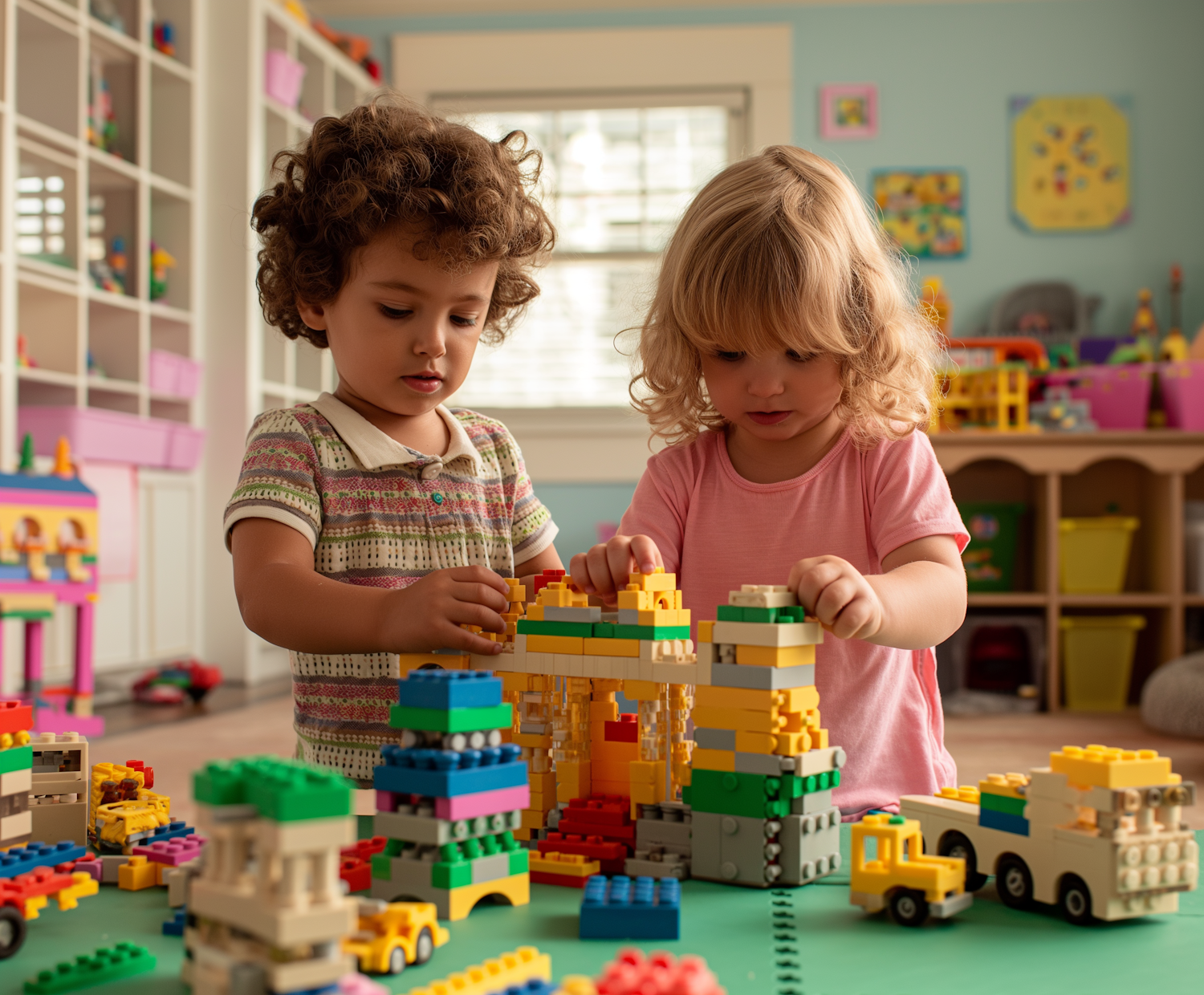
Hands-on aviation STEM that connects curiosity to skill
Building on our studio’s introductory workshops, we guide Year 4–Year 13 learners through progressive, in-person modules that blend flight science, basic circuitry and design thinking. Each session pairs a hands-on challenge — from paper-plane aerodynamics to motorized model gliders — with quick data collection and reflection so students leave with a working prototype and a clear idea of what they learned.
Hands‑on aviation STEM that changes how children learn
Building on introductory exploration, our workshops turn curiosity into capability. Through guided experiments, model‑making and mentor‑led reflection, learners in Year 4–Year 13 discover aerodynamic principles, basic circuitry and design thinking — then apply them in small‑team challenges that reward iteration over perfection. Each session ends with a flight test or a data check, so students leave with a tangible result and a clear lesson they can use in class and at home.
Hands‑on aviation STEM that grows curiosity into capability
We run curriculum‑aligned, in‑person workshops and outreach sessions across Nairobi and nearby counties. Each session pairs short, guided experiments with small‑group engineering challenges — building and testing models, collecting simple flight data, and iterating designs with mentor support. Our approach helps Year 4–13 learners turn curiosity into practical skills: aerodynamic reasoning, basic circuitry, structured design thinking, and safe tool use. Families and teachers leave with clear next steps to continue learning at home or in class.